
The Role of Luck in Casino Games
Luck plays an undeniably significant role in the overall experience at a casino. Many players believe that luck can tip the scales in their favor, especially in games of chance like slots, roulette, and even blackjack. The perception of luck often intertwines with individual experiences; a player on a winning streak may feel as if fortune is smiling upon them, while someone facing a series of losses might think that luck has completely abandoned them. Additionally, those looking for an edge often turn to the best betting sites australia to enhance their strategies, which can greatly affect how players engage with their chosen games, turning mere gambling into an emotional rollercoaster.
Every game at a casino has an inherent element of randomness, and luck is a crucial factor that dictates outcomes. For instance, when playing a slot machine, the results of each spin are entirely random, demanding a degree of luck for a player to hit a jackpot. Likewise, in games like poker, where skill also plays an essential role, luck can influence the cards dealt or the decisions made by opponents. This interplay of skill and chance adds layers of complexity, making it difficult to separate luck from strategy, thus shaping one’s overall casino experience.
Moreover, the ambiance of a casino often amplifies the perception of luck. The flashing lights, sounds of coins dropping, and the cheer of fellow players create an electric environment that can trigger emotions linked to good fortune. When players witness someone winning, it ignites a shared excitement, reinforcing the belief that one’s luck may change at any moment. This atmosphere can transform gambling into a thrilling adventure, with the ever-looming possibility of a lucky break just around the corner, enhancing the overall experience.
The Psychological Impact of Luck on Gambling Behavior
The belief in luck can have profound psychological implications for casino-goers. Many gamblers develop personal superstitions or rituals based on their perceived relationship with luck. For instance, some players may carry lucky charms, wear specific clothing, or even adopt certain routines before engaging in gaming. Such behaviors stem from a desire to influence luck and enhance one’s chances of winning, despite the understanding that outcomes are ultimately random and beyond personal control.
This relationship becomes even more intricate when considering the concept of loss aversion, where individuals cling to the hope that their luck will change in their favor after experiencing a series of losses. This mindset can lead players to chase losses, compelling them to wager more in the hopes of recouping earlier losses, which often leads to greater financial risk. Such behaviors highlight the psychological impact of luck not only on individual gameplay but also on broader gambling trends and patterns within the casino environment.
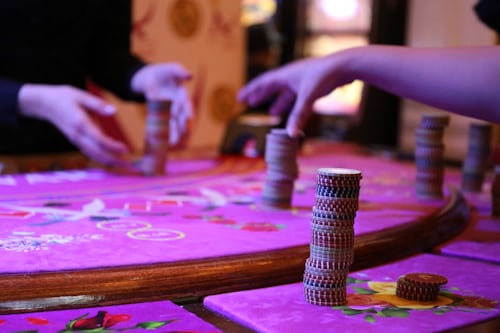
Furthermore, many players attribute their outcomes to luck when they win, but to their skills or strategies when they lose. This cognitive dissonance allows individuals to maintain a positive outlook, reinforcing the notion of luck while sometimes disregarding the various factors influencing their gambling experience. This mental gymnastics illustrates how deeply luck can influence not just the choices players make but their overall enjoyment and experience at the casino, creating a complex relationship with luck that can shape their future gambling behaviors.
The Nature of Randomness and Its Perception
Understanding the nature of randomness is essential to grasp how luck influences casino experiences. Every game is governed by probabilities, and casinos operate on the principles of house edge and random number generators (RNGs) in digital games. Players may overlook the fact that while they may experience short-term wins or losses due to luck, the long-term outcomes are statistically formulated to favor the house. This understanding can sometimes dampen the allure of luck for serious gamblers who seek to play with a more analytical mindset.
Nonetheless, players often find comfort in the belief that luck can change. The idea of hitting a lucky streak lures individuals into a cycle of play, even when the odds are not in their favor. This belief creates a euphoric state in the moment, often distracting from the reality of the underlying mathematics that govern each game. Adopting this mindset can enhance the thrill of gambling, transforming it into an entertaining venture rather than merely a numbers game, thus making the experience more enjoyable.
Additionally, the perception of randomness can create a sense of rare events being within reach. When a player witnesses an unexpected win or experiences a long series of losses followed by a victory, they may feel an emotional connection to luck, reinforcing the belief that it is a tangible force at play. This perception elevates the excitement of gaming and fosters a community atmosphere, as players share stories of their “lucky moments” together, further solidifying the role of luck in shaping overall casino experiences.
Coping with Winning and Losing: The Luck Factor
Winning and losing are integral parts of the casino experience, and luck often plays a pivotal role in how individuals cope with these outcomes. Winners bask in the euphoria of a lucky break, reveling in their good fortune, while losers may experience frustration or disappointment. This dynamic can lead to varying behaviors among players; some may choose to walk away after a win, capitalizing on their luck, while others may chase losses, driven by the hope that their luck will soon turn in their favor.
The excitement that comes from a win can create a powerful affirmation of luck. Players often recount their winning experiences, embellishing stories of how fortune smiled upon them, which can further encourage their participation in gambling activities. On the flip side, losing streaks can invoke feelings of helplessness, prompting some players to question their own luck or choices. This tension between winning and losing showcases how luck is not just a statistical element; it significantly influences emotional responses and decision-making processes throughout the gaming experience.
Moreover, the coping mechanisms developed in response to winning and losing can shape future gambling behaviors. Players may find comfort in the belief that luck can change, leading them to return to the casino in hopes of a turn of fortune, even after experiencing losses. Alternatively, some may choose to take a break, reassessing their strategies and connection to luck. Understanding these dynamics is vital for players as they navigate their gaming experiences, learning to balance the thrill of chance with the reality of randomness.
Exploring Casino Resources and Information
In the quest to understand the influence of luck on the casino experience, players often seek various resources and information. Reputable casino websites provide useful insights, tips, and strategies that can enhance a player’s understanding of games. Although luck remains a central theme in gambling, utilizing available resources can help players make informed decisions about their gaming experiences. Knowledge can empower individuals to approach games with a balanced mix of hope and realism.
Moreover, online forums and communities serve as valuable platforms for sharing personal experiences related to luck. These discussions can reinforce the idea that many players encounter moments of fortune and setbacks alike. Engaging with others allows players to learn varied perspectives and coping mechanisms, enriching their approach to gambling. Such interactions can demystify luck, turning it from an abstract concept into a shared journey among players, ultimately fostering a sense of camaraderie.
Ultimately, understanding the complexities surrounding luck can enhance the overall casino experience, guiding players not just towards gaming enjoyment but also promoting responsible gambling practices. By empowering themselves with information, players can navigate the intricate world of casinos more effectively, ensuring that luck is viewed as a component of their experience rather than the sole determinant of outcomes. In this way, players can enjoy their time at the casino while remaining mindful of both the excitement of luck and the realities of chance.